
post

How traders adapt their routine to global market hours

Adapting to Global Market Hours

The domain of trading transcends the boundaries of any singular time zone. With the presence of global market hours, traders are compelled to adjust their routines to exploit opportunities that present themselves at any time of day or night. This worldwide orchestration facilitates the smooth transition of trading activities across borders, allowing traders to promptly react to international economic events and breaking news.

Understanding the Different Market Sessions

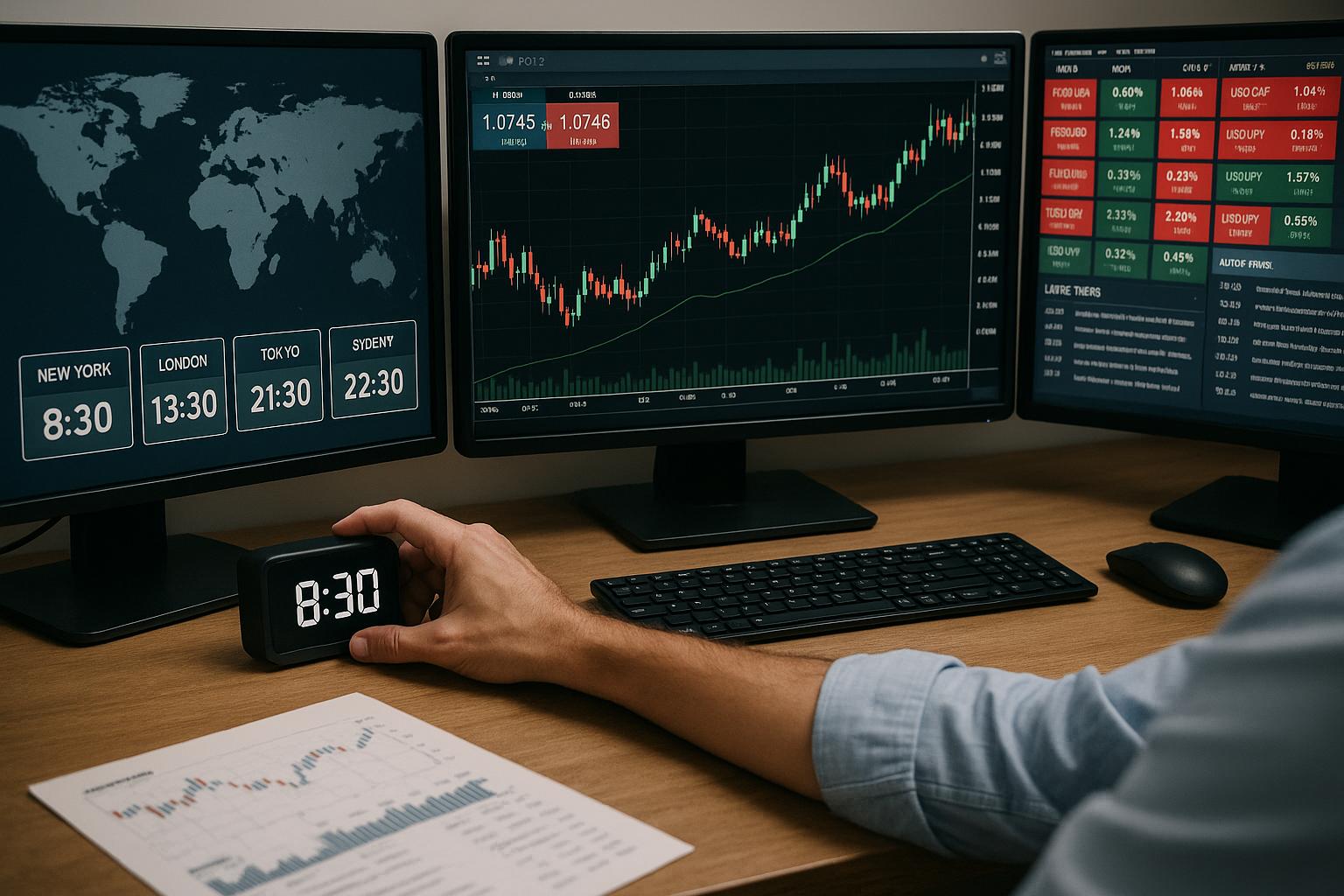
Dealing in the global markets involves a grasp of the major market sessions, each with distinctive characteristics. Prominently, the Asia-Pacific Session, European Session, and North American Session command attention from traders, each representing different peaks of trading activity and unique trading environments. Grasping the timings and dynamics of these sessions is an intrinsic part of optimizing trading strategies.

The first to signal the onset of the trading day is the Asia-Pacific Session, where Tokyo and Sydney stand as pivotal market centers. As the clock hands move forward, the trading activity initiated here begins to overlap with the European Session, with influential hubs such as London and Frankfurt. This overlapping phase is commonly associated with heightened market volatility and liquidity. As the wave of market movement progresses, it reaches the North American Session spearheaded by New York and Toronto, with its zenith during the overlap with the European session, thereby offering a rich environment for trading.

Modifying Routines for Market Overlaps

For traders, adjusting their daily routines to leverage market overlaps is commonplace. These overlaps are often synonymous with substantial trading volumes and enhanced liquidity, making them an opportune moment for traders. Thus, it is not unusual for a trader to revise their sleeping patterns or initiate their workday earlier than usual. The aim is to maintain a high state of alertness during these pivotal market phases.

Emphasizing Flexibility

Flexibility emerges as an indispensable trait in the ever-evolving trading landscape. Recognizing the importance of convenience extends beyond the conventional peak hours, traders adopt a dynamic approach to their schedules to capitalize on unforeseen opportunities that may emerge. The use of mobile trading platforms that offer on-the-go access to markets ensures traders remain connected, while staying abreast of real-time updates via financial news outlets acts as a supplementary layer to their trading toolset. Renowned platforms for such updates include Bloomberg and CNBC, which provide continuous insights pertinent to market movements.

Incorporating Technology

The integration of technology into trading practices is pivotal for traders aiming to remain competitive in global markets. Essential tools such as high-speed internet connections, sophisticated trading platforms with multi-market access, and the utilization of automated trading systems form the backbone of modern trading strategies. Automated trading functions offered by various platforms facilitate the swift execution of trades based on pre-defined criteria. This reduces the need for perpetual monitoring and allows traders to efficiently manage their portfolios despite the absence of constant oversight.

Conclusion

In conclusion, navigating the intricacies of global market hours necessitates strategic adaptation by traders. Mastery over market session characteristics, coupled with flexibility and technological acumen, empowers traders to seize opportunities as they unfold. By honing these competencies, traders gain not only a distinct competitive edge but also the capability to thrive in the fast-pacing arena of global trading. This investment in skills and technology ensures constant readiness, paving the way for sustained success in the diverse and challenging world of international markets.

post

How timezone differences affect forex decision making

Understanding Time Zones in Forex Trading

The foreign exchange market, commonly known as the forex market, is a global decentralized marketplace for the trading of currencies. It operates 24 hours a day due to its vast network of worldwide financial centers. Major centers such as London, New York, Tokyo, and Sydney play pivotal roles in this market’s round-the-clock operation. Each financial center adheres to its local time, resulting in a seamless sequence of trading activities. Understanding how these time zones interact is vital for forex traders who aim to make informed financial decisions.

Impact of Time Zones on Market Activity

Every forex trading center experiences periods of varying activity and trade volume, heavily influenced by its respective time zone. For instance, the overlap between the London and New York trading sessions, typically from 8 AM to 12 PM EST, is widely recognized for heightened liquidity and increased market volatility. Traders who comprehend these overlaps are better equipped to predict the optimal trading times, thereby potentially maximizing their profit margins.

Session Overlaps

In the forex market, optimal levels of activity occur during session overlaps, which refer to times when multiple major trading sessions are open concurrently. The primary overlaps include the following:

  • London and New York: This session’s overlap is particularly noteworthy due to substantial trading volumes, resulting from the simultaneous activity of two major global financial hubs.
  • London and Tokyo: While the overlap here is not as prolonged, it marks a critical juncture between the Asian and European sessions, facilitating a smooth transition.

By understanding when and how these overlaps manifest, traders can more accurately anticipate shifts in market behavior, allowing for strategic adjustments to their trading approaches.

Leveraging Global Time Zones for Strategic Advantage

Forex traders frequently capitalize on the differences in time zones to refine their trading strategies. Aligning their trading activities with periods of high market engagement can enhance the probability of executing successful trades. Those who rely on technical analysis may find trading during these active periods particularly beneficial, as the increased market movements present clearer and more reliable trading signals.

Influence on Trade Timing

Deciding when to enter or exit trades is intricately connected to which global markets are currently active. For instance, traders with a focus on the Euro or the British Pound tend to engage in trades during the European session, when these currencies experience heightened activity. This timing ensures that they are operating within a timeframe that promises greater liquidity and potentially more favorable trade conditions.

Adjusting to Time Zone Challenges

While time zones offer distinct advantages, they also introduce challenges to traders. For example, maintaining a healthy work-life balance becomes difficult when traders need to be active during non-traditional working hours. Nonetheless, with advancements in technology and the advent of automated trading software, traders can now monitor market conditions and execute trades across various sessions without the necessity of being physically present.

Utilizing Automated Tools

Automated trading systems provide a solution by enabling traders to execute strategies that take advantage of time zone disparities. These systems can be configured to automatically initiate trades during specified periods, thereby reducing the need for traders to remain constantly vigilant and allowing their strategies to operate on a near-continuous basis.

Conclusion

Understanding the intricacies of global time zones is a cornerstone of effective forex trading. By tailoring trading strategies to align with market activity and session overlaps, traders can not only maximize their profit potential but also enhance their decision-making acumen. For those seeking deeper insights into forex trading and time zones, engaging with resources such as financial news portals and advanced trading platforms can yield valuable information and critical data to aid in strategic planning.

post

How traders track global market opens for forex setups

Understanding Forex Market Opens

The forex market operates as a decentralized global entity, allowing trading activity to take place 24 hours a day across various time zones. Understanding the specific opening times of different forex markets is crucial for traders aiming to identify periods of increased trading volume and heightened volatility. Such periods often present opportunities to capitalize on price movements that occur due to the sudden influx of market participants.

Importance of Tracking Market Opens

An essential aspect of forex trading involves monitoring the opening times of various market sessions. The times when these markets open often mark changes in liquidity and volatility. Traders utilize this information to refine and optimize their trading strategies. High volatility periods can yield rapid price shifts, presenting numerous opportunities for short-term traders focused on capturing swift market movements.

Key Forex Market Opens

Across the globe, forex markets open and close sequentially, beginning with the Asia-Pacific region and moving progressively westward. Understanding this sequence is key to effective forex trading.

1. Sydney Open:
The forex week traditionally starts with the opening of the Sydney session. This period is characterized by moderate levels of liquidity compared to other major sessions. As a result, the trading volume during the Sydney open is relatively low, leading to more stable prices. Traders tend to anticipate the upcoming Tokyo session during this time.

2. Tokyo Open:
Considered the largest trading hub in Asia, Tokyo’s market opening significantly boosts liquidity and induces greater price movements compared to the Sydney session. The overlap of Tokyo and Sydney sessions enhances trading activity, providing traders with more entry points as volatility begins to pick up.

3. London Open:
Often regarded as the heart of forex trading, the London market open corresponds with a substantial increase in trading volume. This session is renowned for its pronounced volatility, given its overlap with both the Asian and later the New York sessions. The time frame of the London open is critical for traders looking to engage during one of the most active trading times.

4. New York Open:
The New York session signifies the culmination of the forex trading day. Overlapping with the London session results in considerable trading volume and marked price volatility. Many traders focus on this session, as it coincides with significant economic data releases, such as reports on employment, inflation, and gross domestic product. These reports can have immediate and pronounced effects on forex prices.

Tools and Strategies for Tracking Market Opens

Forex traders utilize several tools and strategies to effectively track and leverage the opportunities presented by market openings.

Economic Calendars:
Economic calendars are invaluable resources that offer schedules for various economic announcements and reports. These reports can significantly affect the dynamics observed during market opens. By preemptively reviewing these calendars, traders can anticipate potential market movements and adjust their strategies accordingly.

Trading Platforms:
Modern trading platforms come equipped with customizable alert systems, which notify traders about impending market opens and crucial economic events. These alerts ensure that traders remain adequately prepared to deploy their strategies when market activity begins to rise.

Time Zone Converters:
Given the global nature of forex markets, traders often reside in different time zones. Time zone converters serve as vital tools, allowing traders to remain synchronized with the official market open and close times, regardless of their geographical location.

Conclusion

Navigating the dynamic environment of forex trading necessitates the ability to track global market openings. Aligning trading strategies with these periods of increased liquidity and volatility is vital. Traders who proficiently monitor these sessions, while also remaining informed about key economic developments, position themselves advantageously to respond swiftly to market movements. By deeply understanding the unique characteristics of each market session, traders can make informed decisions that leverage the dynamics inherent to the forex market. Such preparedness not only optimizes trade setups but also enhances the potential for improved returns, carving a path toward successful trading outcomes.