post

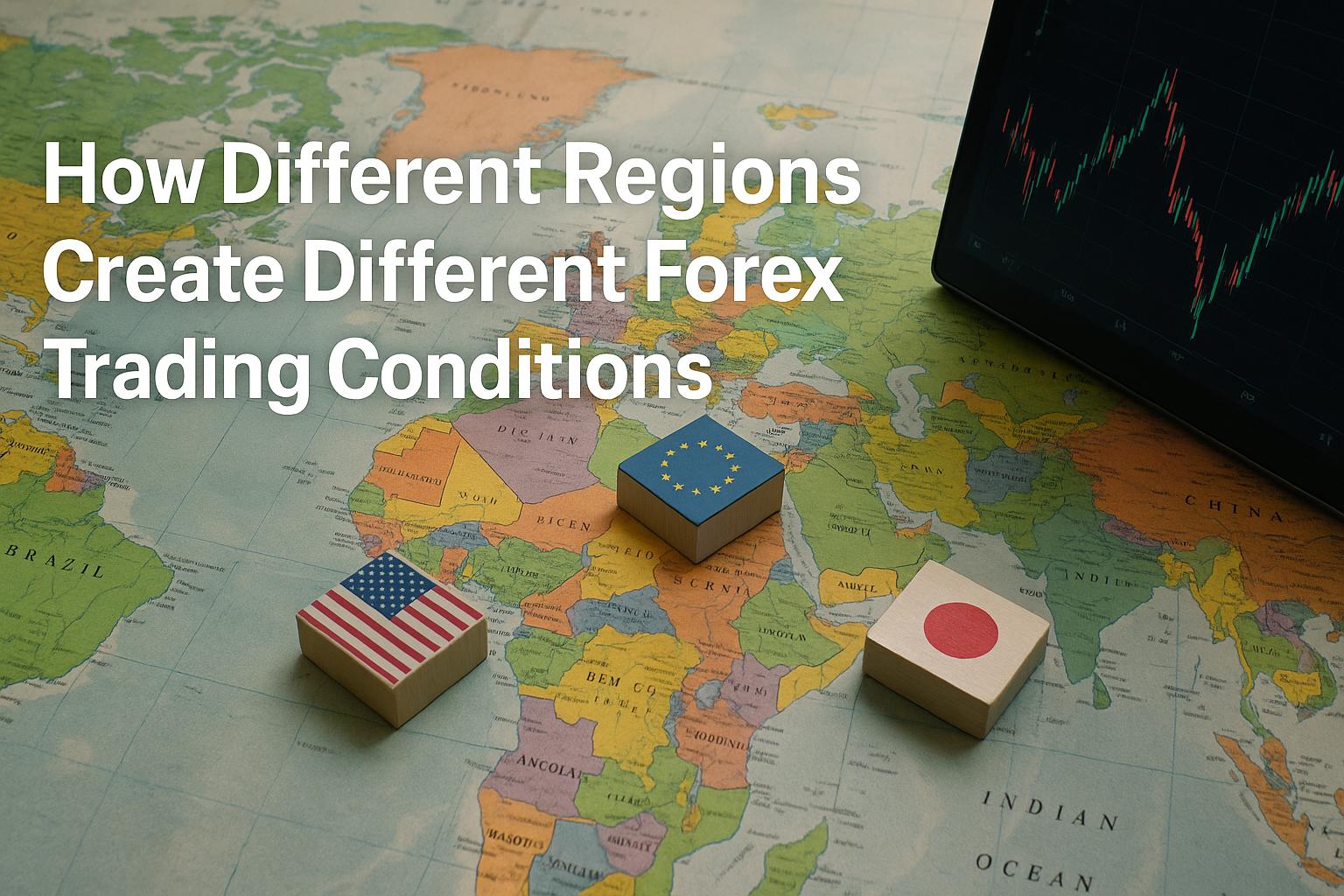
How different regions create different forex trading conditions

Understanding Regional Forex Trading Conditions

Foreign exchange trading, more commonly referred to as forex trading, is a vast and dynamic global market where currencies are constantly bought and sold. Despite its intrinsically global character, the market does not function under a single regulatory entity, allowing for significant variation in trading conditions across various regions. These regional discrepancies are primarily influenced by factors such as differing regulatory frameworks, market liquidity levels, and prevailing economic conditions. This article aims to provide an in-depth exploration of how these crucial factors shape the forex trading environments in different parts of the world.

Regulatory Landscapes

Each country has its own set of regulatory authorities tasked with overseeing the forex trading activities within its jurisdiction. For instance, in the United States, the responsibility falls upon the Commodity Futures Trading Commission (CFTC) and the National Futures Association (NFA). These organizations impose strict requirements on brokers operating within the country, ensuring robust investor protection. Such regulations profoundly influence the trading atmosphere by ensuring compliance with high standards, which often translates to a more secure trading environment for participants in the U.S. market.

Conversely, in European countries, forex trading falls under the regulation of the European Securities and Markets Authority (ESMA). ESMA enforces specific rules, such as limitations on leverage and restrictions on the offering of incentives, with the primary aim of safeguarding retail investors. This ensures a controlled and safer trading environment within Europe.

On the other hand, some Southeast Asian regions exhibit relatively relaxed regulatory frameworks. This leniency can lead to flexible trading conditions, including the potential for higher leverage ratios. However, these looser regulations entail greater caution for traders, as the level of investor protection might be lower, making it imperative for traders to conduct thorough research into the regional regulatory landscape before choosing their trading territory.

Market Liquidity

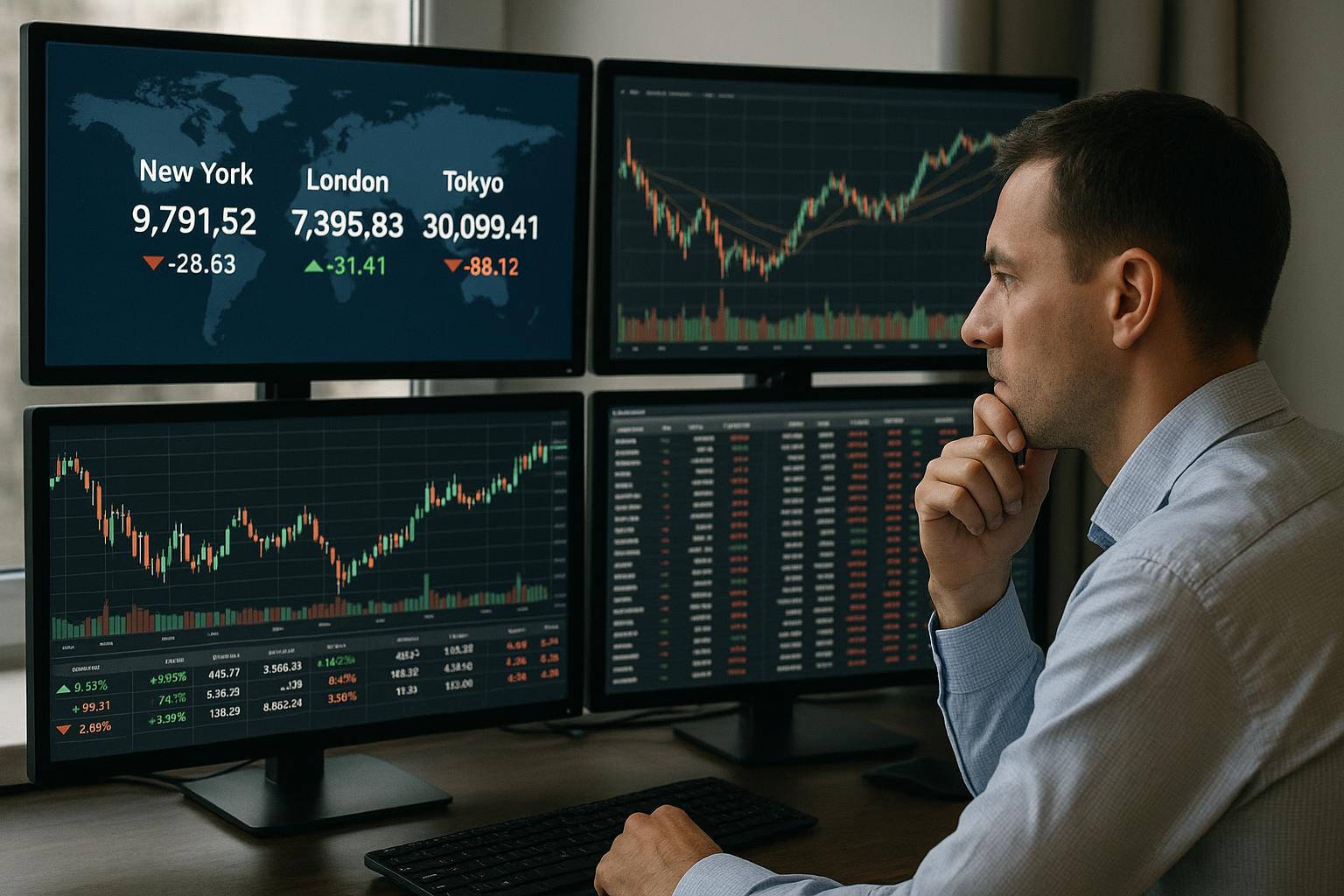
Market liquidity serves as a cornerstone in shaping trading conditions across regions. Regions that enjoy higher liquidity are characterized by tighter spreads, which work to the advantage of traders by minimizing transaction costs. Esteemed financial hubs such as New York, London, and Tokyo enjoy the benefits of deep market liquidity, attributed to the large presence of financial institutions and the ensuing high volume of transactions. Consequently, these regions often offer more favorable trading conditions conducive to strategic trading.

In contrast, regions where the forex market is still in developmental stages often suffer from limited liquidity. With fewer market participants, spreads can become significantly wider, thereby raising transaction costs for traders. Therefore, it is crucial for traders to be mindful of these regional liquidity differences when devising and optimizing their trading strategies. Those who expertly navigate these liquidity conditions can derive substantial benefits by adapting their trading approaches to suit the liquidity levels of their chosen markets.

Economic Conditions

The prevailing economic health and stability of a region exert a profound influence on forex trading activities. An economically stable region typically attracts foreign investment, leading to increased capital inflow and heightened demand for its currency. Take, for instance, the United States—its robust economic growth often results in an escalation of the dollar’s value, directly impacting the trading climate and conditions.

Furthermore, economic occurrences such as political shifts, imposition or lifting of economic sanctions, and policy adjustments can introduce volatility into the market, affecting currency valuations and trader behavior. This underscores the necessity for traders to remain informed about macroeconomic developments and to comprehend how these events can present both potentially lucrative opportunities and notable risks across different trading regions.

Impact of Time Zones

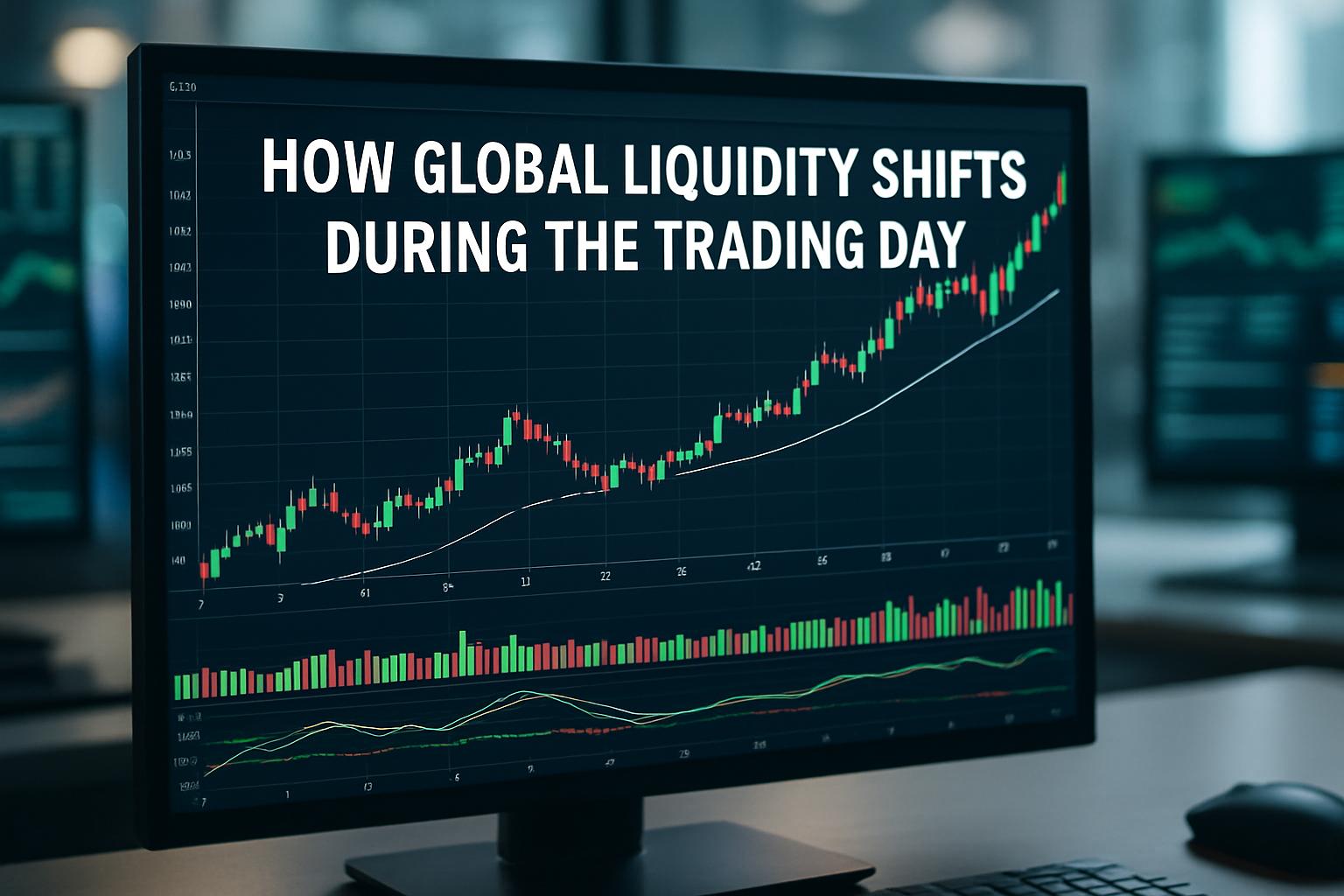
Another distinctive feature of the forex market is its continuous operation for 24 hours a day, enabled by the overlapping of trading sessions across different global time zones. This produces distinct trading conditions based on the time of day. For example, the overlap of trading sessions between London and New York witnesses a spike in trade volume and increased market activity, offering traders potentially profitable conditions. It’s vital for traders to consider their geographic location relative to active trading sessions to maximize their trading opportunities. Aligning trading activities with peak trading sessions can result in improved execution and increased potential for gains.

Conclusion

In conclusion, while forex trading encompasses a global dimension, varying regional factors such as regulatory frameworks, market liquidity levels, economic conditions, and the impact of time zones play pivotal roles in shaping the trading landscape. Being astutely aware of these regional nuances is crucial for traders aiming to refine their strategies and successfully navigate the intricate web of forex trading. By thoroughly understanding and adapting to these diverse conditions, traders can enhance their trading success and achieve their objectives across different markets. Through informed decision-making and strategic adaptation, traders can effectively engage with and capitalize on the multifaceted world of forex trading.

post

How traders follow the market as it moves around the world

Understanding the Global Market Movement

The financial markets are truly a marvel of modern globalization, operating seamlessly around the clock. Thanks to the interconnectedness of financial hubs across different continents, these markets are accessible virtually every hour of the day for traders and investors. This not only creates a dynamic environment but also presents unique challenges in understanding the complexities of how these global markets interact with one another. In this exploration, we’ll delve deeper into the movement of these markets throughout the day and the strategies traders employ to make informed decisions.

The Trading Day Cycle

To fully comprehend the global market, it’s essential to recognize the trading day cycle’s flow, beginning in the Asia-Pacific region and moving through to North America. This continuous movement through various time zones creates a seamless transition between markets with distinctive characteristics.

Asian Markets

The Asian markets hold the unique position of setting the day’s initial tone. Key players like Tokyo, Sydney, and Hong Kong start the global trading cycle. These markets don’t just operate in isolation; they often react to the overnight developments from the U.S. and other global occurrences. Given their opening status, events and economic indicators released during this session, such as Japan’s GDP or employment data from Australia, can significantly influence market sentiment not only in Asia but also other markets that follow.

In this complex dance of numbers and sentiments, traders must be acutely aware of announcements from major corporations and government institutions, as these can have wide-reaching effects. As these markets close, the baton is passed to Europe, but the lingering effects of decisions made in Asia can ripple across continents.

European Influence

European markets, with iconic hubs like the London Stock Exchange, begin their trading day as the Asian markets wind down. This timing allows European traders to react to any significant overnight developments from Asia, ensuring that the cycle of information and capital is unbroken. European markets act as a synthesis point, reflecting influences from Asia while setting their own pace based on continental news and reports.

A crucial aspect of the European trading session is its overlap with the North American trading hours. This period is characterized by heightened liquidity and increased volatility, making it a critical window for traders seeking opportunities or managing risks. The data released during the European session can pivot market sentiments significantly, such as decisions by the European Central Bank or economic reports from Germany and France.

North American Dynamics

Closing the global trading day, the North American markets, prominently led by the New York Stock Exchange, play a vital role. The economic clout of the U.S. and the dominance of the U.S. dollar make this session particularly significant. The actions and announcements of the Federal Reserve, alongside crucial economic data like the Non-Farm Payrolls, are not just of national interest but are interpreted globally.

The North American session is often where the most apparent reactions to global events throughout the day manifest. The decisions made here can set the stage for the following day in Asia, making it a pivotal endpoint—and starting point—for the continuous cycle of global trading.

Strategies for Tracking Global Trends

In such a rapidly changing landscape, traders are equipped with a host of strategies and tools that allow them to keep pace with market developments and adjust their decisions accordingly.

Real-Time News Feeds

To stay a step ahead, real-time news feeds and financial news channels have become essential tools for traders. They provide prompt updates on current events, allowing traders to react quickly to breaking news that could impact markets. These services often utilize technology that aggregates information from multiple sources, delivering a comprehensive view of potential opportunities or risks.

Economic Calendars

Economic calendars are invaluable for preparing for expected market volatility. They chronologically list major economic events, such as central bank meetings, GDP releases, or consumer confidence reports, helping traders anticipate market trends and adjust their strategies in advance. This foresight can be critical in managing potential risks or capitalizing on potential gains.

Technological Tools

Many trading platforms incorporate features like global maps or session overlays that help traders visualize market activities across different time zones. These tools allow traders to analyze past patterns and predict future market trends, providing a better understanding of the shifting dynamics at play. Such technological innovations empower traders with a broader perspective, making it easier to navigate the complexities of global market movements.

Conclusion

In conclusion, the global market’s movement is a complex, ever-evolving system that necessitates a diligent approach from traders who wish to participate successfully. The ability to understand how different financial centers relate, influence each other, and respond to global developments is crucial. Traders must harness a variety of tools and strategies, continuously staying informed and adapting to the fast-moving environment around them. As global markets continue to evolve, traders too must refine their approaches, ensuring that they remain adept in navigating the interconnected world of financial exchanges.

post

How currency trading flows from Asia to Europe to the US

Currency Trading: The Global Journey

The foreign exchange market, commonly referred to as forex, functions perpetually across the globe, seamlessly transitioning from one financial center to another. This facilitates a continuous trading environment that traverses distinct time zones, beginning in the East with Asia, progressing through Europe, and culminating in the United States. This 24-hour operation establishes the backbone of global currency exchange, offering traders myriad opportunities irrespective of their geographical location.

Asian Market Dynamics

The forex trading cycle commences with the Asian markets, primarily with financial centers in Tokyo, Hong Kong, and Singapore. The Asian session plays a crucial role in setting the day’s initial market tone. Dominated by major economies such as Japan, China, and Australia, this session is heavily influenced by regional economic data, central bank policies, and geopolitical developments. Typically characterized by lower volatility compared to its European and American counterparts, the Asian session provides a less turbulent trading environment. This stability can be appealing for traders who prefer to engage in market activities without the complexities of erratic price movements.

Major Currencies and Pairs

Within the Asian trading hours, the Japanese yen (JPY) and the Australian dollar (AUD) are prominently active. Currency pairs such as USD/JPY and AUD/USD are pivotal during this period, thanks to their profound connection with regional market dynamics. Economic indicators, including Japan’s GDP figures, China’s manufacturing activity, and Australia’s trade statistics, serve as crucial barometers for traders aiming to predict potential currency movement.

Transition to the European Session

As trading in Asia winds down, the market pulse transitions smoothly to Europe. London stands out as a central financial hub during this European session, which is synonymous with heightened liquidity and volatility. This session’s attributes are amplified due to its overlap with the closing hours of the Asian market. As a result, the influx of trading activity during European hours is robust, primarily driven by traders reacting to news and preparing for scheduled economic disclosures that possess the potential to sway currency valuations.

Critical Considerations

During the European session, significant attention is paid to key financial events. Reports from the European Central Bank (ECB), along with essential economic data from powerhouse countries like Germany, France, and the United Kingdom, play pivotal roles in shaping market trends. Predominant currencies such as the euro (EUR) and the British pound (GBP) see marked activity during these hours. Currency pairs like EUR/USD and GBP/JPY frequently experience swings in trading volume, underscoring Europe’s impactful economic clout.

The American Trading Session

The last segment of the forex trading continuum takes place in the United States. Known for its dynamic and high-energy nature, the American session is distinctive due to its elevated levels of participation, especially in currency pairs involving the US dollar (USD). The overlap of trading hours between the US and Europe fuels increased volatility and liquidity, making it an instrumental period for strategic trading maneuvers.

Market Influences and Key Data

In the US session, traders keenly follow economic indicators like non-farm payroll statistics, Federal Reserve meeting outcomes, and retail sales data. These reports bear substantial implications on currency values. The omnipresence of the USD becomes apparent, often leading to significant movements within major pairs such as USD/EUR and USD/CAD.

Conclusion

The harmonious flow of currency trading from Asia through to the US epitomizes the intricate interconnectedness inherent in global financial markets. Each segment of the trading day contributes uniquely to the forex market’s dynamics, shaped by distinctive economic conditions and key institutional participants. For individuals seeking to delve deeper into the operational mechanics of currency trading, it is beneficial to consult resources offered by financial institutions or specialized trading platforms dedicated to forex education and analysis.

This explanation underscores the importance of understanding the global forex landscape to make informed trading decisions. Recognizing the distinctive market actions specific to each region is crucial for navigating the forex market proficiently and capitalizing on the opportunities that arise within each session.